
Access housing refurbishment and capital improvement works through a compliant DPS covering kitchens, bathrooms, heating, roofing, whole-house upgrades and disabled adaptations for social housing landlords across the UK.
Housing providers are under increasing pressure to evidence safe, efficient and well-maintained homes. By enabling modernisation projects to move faster and more predictably, this DPS supports warmer, safer, healthier homes and strengthens the long-term resilience of the communities they sit within.
Our Capital Works DPS provides housing associations, councils, ALMOs and public sector landlords with a flexible and compliant route to deliver housing refurbishment projects of any scale. It covers all major workstreams, including kitchens, bathrooms, windows, doors, electricals, heating, roofing, insulation and full-house modernisations. With regional and national coverage, the DPS covers all housing refubishment requirements and enables members to source pre-qualified contractors, maintain value for money and deliver social value outcomes in every project. With its dynamic structure, new suppliers can apply to join at any time, ensuring ongoing competition and access to innovation.
Review the list of suppliers available on this dps. See lots section below for suppliers per lot.

See buyers guide for more information
Installation of whole house internal and external works as defined in categories 2 to 9 below.
Design, supply and installation of kitchen fittings and associated works. This includes cabinetry, countertops, plumbing, sinks and taps, ventilation, electrical installations (lighting, sockets), flooring, tiling, and integration with adjacent finishes.
Supply and installation of bathrooms, wet rooms or sanitary zones. Tasks include waterproofing, tiling, sanitaryware (toilets, basins, showers, baths), plumbing & drainage, ventilation, electrical works (lighting, shaver sockets), and finishing works.
Works related to heating systems in buildings. This could include installation, replacement or upgrading of central heating systems, boilers, radiators, underfloor heating, pipework, controls, heating zone systems, and integration with existing building services.
Electrical works and services including full rewiring, wiring upgrades, installation of sockets, lighting, switchgear, distribution boards, electrics for appliances, safety checks, PAT tests, and associated certification.
Supply and installation of windows, doors and associated hardware. This covers external and internal doors, frames, glazing (double / triple), security fittings, seals, flashings, and finishing works.
Provision and installation of insulation and associated energy-saving fabric works. This includes cavity wall insulation, loft insulation, floor insulation, external / internal wall insulation, draught proofing, and any lining or finishing needed around insulation works.
Works covering the roof structure and surfaces. This could include roof repairs or replacements, flashing, gutters and downpipes, soffits and fascias, tiling/slating, roof coverings, insulation in roof voids, and rooflight installations or repairs.
Scheduled, periodic internal and external painting and decorating works. This may include surface preparation (plaster repair, sanding), priming, painting, wall coverings, decorative finishes, minor repair of joinery, and related finishing.
Adaptation works to make homes accessible. Typical works include ramps, lifts, stairlifts, handrails, wet floor showers, ramps, widening doors, accessible bathrooms, grab-rails, door automation, and design / installation of mobility aids in line with building regulations.
Provision of skips, waste removal, and disposal services associated with capital works. This includes management of demolition waste, general site waste, recycling operations, hazardous waste handling, removal logistics, licensing, site cleanup and compliance.
Supply, erection, maintenance and dismantling of scaffolding or access systems necessary for works. May include mobility scaffolds, temporary platforms, safety barriers, hoists, tower scaffolds, and related safety and compliance services.
Our straightforward process enables you to run Mini-Competitions to find the right supplier for your needs. You can award contracts for any duration that suits your project requirements. Further information on the Mini-Competition process can be found below.
Mini-Competition Process
Our Mini-Competition process allows you to specify your exact project requirements. Please contact us to start the process. All suppliers on the relevant lot of the DPS who have the necessary capabilities are invited to submit tenders. The process typically takes 2–4 weeks from invitation to award.
Selection criteria:
Suppliers are evaluated on their ability to deliver your project based on:
Our support doesn't stop at contract award. We provide a comprehensive wraparound service throughout your entire procurement journey from evaluation and award through to contract management and delivery. We work alongside you to ensure suppliers are held to account, performance is monitored, and your contract delivers the outcomes you need. Our goal is simple: to help you achieve the best possible results for the residents and communities we serve, with expert guidance at every stage.
Need to catch up with your account manager? Or want to discuss a project you are working on, our team will be happy to talk this through with you.

Relationship Manager




Relationship Executive

Relationship Manager


Relationship Executive

Relationship Manager


Sorry, we couldn’t find any team members that match your current filters.

Balancing tight budgets, regulatory compliance, and resident expectations requires suppliers who truly deliver. Our DPS connects you with vetted contractors while our team supports you from specification, ongoing managament all the way through to completion helping you avoid costly variations, delays, and the administrative burden of running multiple procurements. Contact us to streamline your approach.
Scrutiny over spending, pressure to demonstrate social value, and the challenge of coordinating works across multiple sites and teams can slow down essential projects. Our DPS simplifies procurement while our experts guide will be on hand throughout to you through evaluation, contract management, and performance monitoring ensuring you meet your obligations without the overhead. Get in touch to discuss your needs.
Juggling responsive repairs, cyclical programmes, and major works means procurement can quickly become a bottleneck when you need to focus on residents. Our DPS gives you a streamlined route to qualified contractors for your specific requirements, with our team supporting you through evaluation and ongoing contract management reducing administrative burden so you can prioritise service delivery. Speak to us today.
Quality assurance in housing refurbishment requires clear specifications defining acceptable standards, pre-work inspections ensuring contractor understanding, quality checks during work progress, final inspections before sign-off, and defect rectification procedures. Housing refurbishment specifications should detail materials, workmanship standards, and performance requirements enabling consistent application across multiple projects. Site supervision during housing refurbishment ensures work progresses to specification and identifies issues for prompt rectification. Photographic documentation of housing refurbishment progress supports quality assurance and dispute resolution. Resident feedback provides valuable quality indicators, with dissatisfied residents highlighting workmanship problems or communication issues requiring contractor attention. Contractor performance monitoring across housing refurbishment projects identifies consistent performers suitable for future work and those requiring improvement or replacement. Warranty provisions should specify contractor responsibility for defects emerging after housing refurbishment completion. Professional indemnity and public liability insurance protects organisations if contractor work causes damage or injury during housing refurbishment.
Large housing refurbishment programmes require careful planning balancing tenant needs, property prioritisation, and procurement efficiency. Organisations should begin with comprehensive asset assessment identifying properties requiring refurbishment, prioritising based on condition, resident vulnerability, energy performance, and strategic importance. Development of housing refurbishment specifications standardising requirements across similar properties improves efficiency and cost-effectiveness. Market engagement through soft market testing gathers contractor feedback on packaging and approach before formal procurement, improving procurement outcomes. Programming housing refurbishment works balances distribution across the year avoiding peak resource pressure whilst managing tenant disruption through careful scheduling. Batching related housing refurbishment works (such as kitchens and bathrooms across multiple properties) improves material economics and contractor efficiency. Resident engagement throughout housing refurbishment planning and delivery is crucial for success, with residents understanding what work is planned, when it will occur, and how disruption will be minimised. Regular communication with contractors during housing refurbishment programme delivery ensures coordination and addresses emerging issues promptly.
Waste management services through the DPS include strategic waste planning minimising waste generation during housing refurbishment, waste reduction advice enabling efficient material use, and full waste auditing documenting waste streams. Services include provision and collection of skips ranging from 2 to 40 cubic yards, disposal of waste at registered waste transfer stations, and provision of disposal certificates demonstrating compliant waste management. Waste management requires proper segregation of materials including hazardous waste, electronics waste, and recyclable materials. Contractors provide specialist waste management expertise ensuring housing refurbishment projects comply with environmental regulations and minimise environmental impact. Efficient waste management reduces costs and supports organisational sustainability commitments.
Scaffolding and temporary access services through the DPS include survey and assessment of access requirements, specification of appropriate access solutions, and provision of scaffolding systems compliant with UK regulations. Services include hire and erection of traditional scaffolding systems, hire and erection of aluminium scaffold towers suitable for smaller scale works, and hire of low-level work platforms. Scaffolding services are essential for safe access during housing refurbishment works involving high-level work such as roofing, external wall insulation, or window replacement. Contractors provide professional survey and design of scaffolding ensuring structures comply with the Work at Height Regulations 2005 and relevant industry standards such as National Access and Scaffolding Confederation (NASC) TG20 guidance for tube and fitting scaffolds. Scaffolds must be designed, erected, altered and dismantled only by competent people and the work should be carried out under the direction of a competent supervisor. DPS contractors meet these competence requirements through recognised training and certification. Professional design and erection ensures appropriate support for housing refurbishment works whilst maintaining worker safety and regulatory compliance.
Cyclical painting through the DPS includes exterior painting and pre-paint repairs of housing stock. Services include brickwork repair preceding paint application, preparation of painted surfaces ensuring proper adhesion of new paint, application of high-quality exterior paintwork, and associated repairs. Cyclical painting maintains property appearance and protects underlying materials from weather damage. Cyclical painting programmes cycle through housing stock at appropriate intervals ensuring consistent maintenance. Contractors provide specification advice on appropriate paint systems and colours aligned to housing association branding or resident preferences. Cyclical painting often forms part of wider housing refurbishment programmes.
Disabled adaptations through the DPS provide internal and external modification works enabling accessibility for residents with disabilities in compliance with legal requirements. Services include level access showers, bathroom adaptation works enabling wheelchair access and safe showering, kitchen adaptation works including lowered worktops and accessible storage, door openers enabling independent access, lifts and hoists for multi-storey properties, flooring modifications removing trip hazards or enabling wheelchair access, decorating appropriate to accessibility requirements, joinery modifications, heating adaptations, electrical modifications for accessibility equipment, ramps providing access to entrances, handrails providing support, steps and pathways enabling safe navigation, and extensions providing accessible living space. Housing providers must comply with the Equality Act 2010, which prohibits discrimination against individuals with disabilities and requires “reasonable adjustments” to ensure disabled people have equal access to goods, services, and facilities. Disabled adaptation works must also comply with Part M (Access to and use of buildings) of the Building Regulations, which sets minimum requirements for accessible design. Contractors provide end-to-end disabled adaptation management including initial accessibility assessment, design of appropriate modifications meeting Equality Act and Building Regulations requirements, installation, and quality checking ensuring modifications meet accessibility and legal standards.
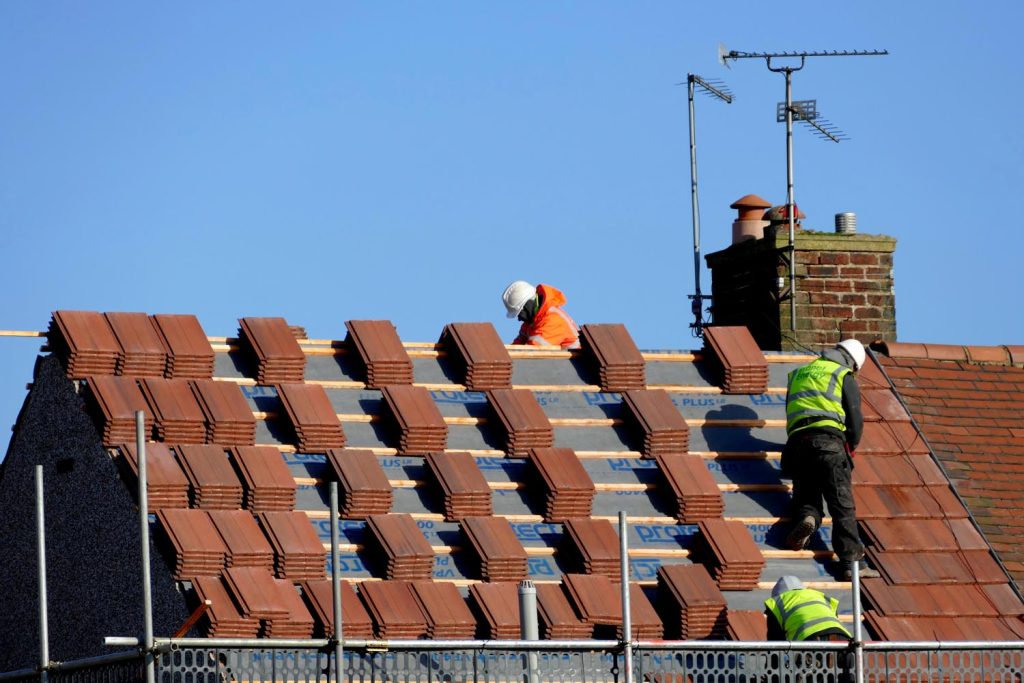
Roofing refurbishment through the DPS includes pitched roofing installation, flat roofing installation, and associated works. Services include removal of existing roofing materials, installation of new roofing systems with improved weather and thermal performance, roofline repair and replacement, rainwater system installation, chimney pointing, porch repairs, and canopy installation. Contractors provide end-to-end roofing refurbishment management from structural survey, material specification, installation, quality checking, and defect rectification. Roofing refurbishment is critical to property weatherproofing and structural integrity. The DPS includes contractors experienced in housing association roofing refurbishment managing large-scale programmes across multiple properties.
Insulation refurbishment through the DPS includes external wall insulation, internal wall insulation, loft insulation, cavity wall insulation, underfloor insulation, and roof insulation. Services include assessment of existing insulation, specification of appropriate insulation solutions, installation of insulation materials, and associated works such as cladding or roofline repairs. Contractors provide end-to-end insulation refurbishment management including survey, specification, installation, quality checking, and rectification of defects. Insulation refurbishment often forms the foundation of housing refurbishment programmes addressing energy efficiency and thermal comfort. Insulation refurbishment improves thermal performance reducing heating energy consumption and lowering heating costs for residents. The DPS includes contractors experienced in housing association insulation refurbishment managing large-scale programmes. Park home external wall insulation specialists are available addressing the specific requirements of park home refurbishment.
Window and door refurbishment through the DPS includes window replacement with improved thermal performance, secondary glazing installation, door set replacement, and associated works. Services include removal of existing windows and doors, installation of new units with improved thermal and acoustic performance, making good of apertures, repair or replacement of canopies and porches, and decoration of associated areas. Contractors provide end-to-end window and door refurbishment management from initial survey, material selection, installation, making good, and quality checking. Window and door refurbishment must comply with Part L of the Building Regulations (Conservation of fuel and power), which specifies minimum U-value requirements for thermal performance. All windows and doors should achieve appropriate Window Energy Ratings (WER) and be installed in accordance with BS 6375 standards and manufacturer specifications to ensure thermal performance targets are met. Proper installation is critical as installation methods directly affect thermal performance and building envelope integrity. Window and door refurbishment often combines with other housing refurbishment works such as insulation or decoration. The DPS includes contractors experienced in housing association window and door refurbishment managing large-scale programmes across multiple properties. Window and door refurbishment specifications can be standardised improving procurement efficiency and cost-effectiveness.
Electrical refurbishment through the DPS includes complete rewiring of properties, electrical system upgrades addressing aged or non-compliant installations, installation of new circuits and outlets, and integration of renewable electricity solutions such as solar PV. Services include assessment of existing electrical systems, design of new electrical installations, installation by qualified electricians, testing and certification ensuring compliance with electrical safety standards, and ongoing maintenance of electrical systems. Contractors provide end-to-end electrical refurbishment management from survey through to commissioning and certification. Electrical refurbishment must comply with Part P of the Building Regulations, which requires all electrical installation work in dwellings to be designed and installed to protect people from fire and electric shocks. All electrical installation work must either be reported to local authority building control, or be carried out by an electrician registered with Government-approved scheme providers such as NICEIC. Work must comply with BS 7671:2018, Requirements for electrical installations, and contractors must provide Electrical Installation Certificates and Building Regulations Compliance Certificates confirming compliance. DPS contractors meet these competence requirements through recognised training and certification
Heating system refurbishment through the DPS includes boiler installation, complete central heating system installation, and renewable heating solution installation. Services include boiler replacement and associated pipework modifications, radiator installation and balancing, thermostatic radiator valve installation enabling room-by-room temperature control, heating system testing and commissioning, and fire and fireplace installation or modification where required. Renewable heating solutions including air source heat pumps, ground source heat pumps, and biomass systems can be installed through housing refurbishment contractors on the DPS. Contractors provide end-to-end heating refurbishment management including assessment of existing systems, specification of replacement systems, installation, testing, commissioning, and resident training on new system operation. Heating system refurbishment must comply with Part L of the Building Regulations (Conservation of fuel and power), which sets minimum standards for boiler efficiency and heating system performance. All gas work must be carried out only by Gas Safe registered engineers. Part G of the Building Regulations (Sanitation, drainage and waste disposal) requires safe hot water temperatures and scalding prevention measures. All heating systems must be properly commissioned and tested before handover to verify performance and safety compliance. The DPS includes contractors experienced in housing association heating refurbishment delivering consistent quality and compliance across multiple properties.
Bathroom refurbishment through the DPS includes complete bathroom installation and all associated housing refurbishment works. Services include sanitaryware supply and installation, plumbing and pipe replacement works, patching and repairs to surrounding plasterwork, painting and decorating, tiling of splashbacks and floors, joinery works including cupboard or vanity installation, and electrical works including new circuits and ventilation provision. Contractors provide end-to-end bathroom refurbishment management from initial survey, procurement, installation, quality checking, and defect rectification. Bathroom refurbishment projects often form part of larger housing refurbishment programmes. The DPS includes contractors experienced in housing association bathroom refurbishment delivering consistent quality across multiple properties. Bathroom refurbishment specifications can be standardised across properties improving efficiency and cost-effectiveness. For disabled residents requiring accessible bathroom adaptations, contractors provide specialist expertise modifying standard bathroom refurbishment to meet accessibility requirements.
Kitchen refurbishment through the DPS includes complete kitchen installation and all associated housing refurbishment works. Services include kitchen supply and installation, patching and repairs to surrounding plasterwork, painting and decorating restoring aesthetic finish, tiling of splashbacks and floors, joinery works including cupboard replacement or modification, and electrical works including new circuits and appliance connections. Contractors provide end-to-end kitchen refurbishment management from initial survey determining requirements, procurement of kitchen components, installation coordination, quality checking, and defect rectification. Kitchen refurbishment projects often form part of wider housing refurbishment programmes addressing multiple properties. The DPS includes contractors experienced in housing association kitchen refurbishment delivering consistent quality across multiple properties. Kitchen refurbishment specifications can be standardised across properties reducing specification variation and improving efficiency. Contractors managing kitchen refurbishment across multiple properties can improve cost-effectiveness through material economies and labour scheduling optimisation.
The Capital Works DPS offers three flexible delivery models for housing refurbishment works enabling organisations to tailor procurement to their specific circumstances. Labour-only housing refurbishment provision enables organisations to retain material procurement control whilst engaging contractors to provide skilled labour and project management for housing refurbishment. This model suits organisations with established material supply arrangements or those seeking to negotiate material pricing separately. Directed supply and fit housing refurbishment provision enables organisations to specify materials for housing refurbishment with contractors providing supply, installation, and associated works. This model balances some organisational control over material selection with contractor responsibility for material supply and fitting. Traditional supply and fit housing refurbishment provision engages contractors to manage all aspects including material procurement, supply, installation, and completion of housing refurbishment works. This model provides contractor responsibility for all supply chain management and simplifies organisational management but requires trust in contractor specification and procurement decisions. Choice between delivery models depends on organisational preferences, existing supply arrangements, and housing refurbishment expertise. The DPS accommodates all three models enabling organisations to select appropriate options for different housing refurbishment projects.
Many organisations use the DPS to deliver large housing refurbishment programmes spanning multiple properties and extended timescales. Rather than procuring individual housing refurbishment projects through lengthy competitive processes, organisations can procure multiple projects through the DPS, batching housing refurbishment works to improve efficiency and contractor incentive. Batching housing refurbishment projects together allows materials and equipment to be shared across project sites, reducing deliveries and carbon footprint. Batch ordering of materials for housing refurbishment improves buying power and enables contractors to deliver better value to clients. Consolidated procurement of materials and equipment across batched housing refurbishment projects means larger quantities can be ordered and better pricing negotiated. Batching housing refurbishment programmes enables quicker contractor mobilisation and strengthens trust between client and contractor. The DPS flexibility allows organisations to trial housing refurbishment approaches or new contractors on pilot projects before committing to large-scale programmes. Performance monitoring across housing refurbishment call-offs identifies consistently strong performers suitable for future work. This approach enables organisations to deliver large housing refurbishment programmes efficiently whilst maintaining flexibility and competitive tension.
The DPS enables rapid procurement of housing refurbishment works through streamlined processes reducing administrative burden and timescales. Organisations can issue invitations to tender for housing refurbishment work and receive proposals in as little as 10 to 15 days, compared to several weeks or months for traditional procurement processes. This rapid timescale is particularly valuable for organisations pursuing large housing refurbishment programmes where timing is critical or where tenant disruption should be minimised through efficient scheduling. Organisations can utilise existing specifications developed through previous housing refurbishment projects, eliminating the need for specification development for standard housing refurbishment requirements. Pricing mechanisms and contract terms can remain consistent across housing refurbishment projects, avoiding renegotiation. The due diligence checks embedded in the DPS process ensure suppliers meet minimum standards without requiring individual organisations to conduct extensive vetting. The PfH procurement team provides complete assistance from housing refurbishment solution design through to award and ongoing contract management, reducing internal procurement burden. This streamlined process enables organisations to quickly mobilise housing refurbishment contractors when requirements arise.
The PfH Capital Works DPS is a Dynamic Purchasing System providing flexible procurement of housing refurbishment works and associated services. Unlike a traditional framework with pre-selected suppliers, the DPS allows new suppliers to apply and join at any point during its lifetime, creating an evolving supplier pool aligned with housing refurbishment market capacity. The DPS enables rapid procurement and award of contracts in as little as 10 to 15 days, making it ideal for organisations needing flexible housing refurbishment capacity or rapid turnaround. The DPS comprises multiple specialist categories covering kitchens, bathrooms, heating, electrical, windows and doors, insulation, roofing, cyclical painting, disabled adaptations, scaffolding, and waste management. Organisations can deliver housing refurbishment works using labour-only options, directed supply and fit, or traditional supply and fit models. The DPS suits organisations with variable or unpredictable housing refurbishment requirements, those pursuing large refurbishment programmes with evolving supplier needs, or those seeking rapid access to specialist housing refurbishment contractors. Organisations can work with existing specifications, pricing mechanisms, and contract terms, avoiding renegotiation for each housing refurbishment call-off.